Register for Courses

Detailed Course Information

The information below will give more details about a particular course.

Course #1
Beyond Trazodone: Making Tailored Medication Choices in Behavior Therapy


This session covers common classes of medications used in behavior therapy in dogs and cats. This includes serotonin reuptake inhibitors (e.g. fluoxetine, paroxetine, citalopram), serotonin-norepinephrine reuptake inhibitors (e.g. venlafaxine), serotonin antagonist-reuptake inhibitors (e.g. trazodone), benzodiazepines, gabamimetic drugs, and alpha agonists (e.g. clonidine, Sileo Oral Gel). Mechanism of action of each class will be discussed briefly as well as indications and side effects. Additionally, the presenter will discuss behavioral symptoms and breed differences that will assist practitioners in choosing one medication over another to individualize therapy for common behavior problems such as aggression, separation anxiety, storm/noise phobia, and compulsive/repetitive behaviors.

Learning Objectives:

  • Attendees will have a basic understanding of classes of psychoactive medications and common drugs used from each class.
  • Understand basic individual differences between drugs within a class and which cases might benefit more from one over another.
  • Be familiar with how patient factors (e.g. breed) and behavioral symptomology (e.g. behavioral diagnosis, physiologic presentation) guide medication choice.
  • Be familiar with common side effects and contraindications for psychoactive medications.


Course #2
The FAS Scale and PreVisit Pharmaceuticals

NEW COURSE

This presentation describes the FAS (Fear, Anxiety, Stress) scale and its use during veterinary visits.  We also discuss the phenotypes of stress (fight, flight, freeze, faint, fidget) and how these are used to help tailor medication choices.  Classes of PVP medications are covered and some detail provided on the mechanism of action and use for each class as well as common side effects. These include SARIs, alpha-2 agonists, gabamimetics, and benzodiazepines among others.  Guidelines are discussed to help attendees choose specific medications within each class for certain patients.This session covers common classes of medications used in behavior therapy in dogs and cats. 


Learning Objectives:
  • Be introduced to the FAS
    scale and its use during veterinary visits.
  • Understand the major classes
    of PVP medications and some examples of individual medications within each.
  • Understand which medication or class of medication is indicated for patients exhibiting certain stress phenotypes.
  • Be able to identify the “F”s of stress in a patient and their level of sympathetic arousal.

Course #3 
Separation Related Distress in Dogs: 5 Steps to Success

Coming Soon

Separation related distress is a common problem in dogs. It can be a very challenging behavior for pet owners as well as practitioners. Separation related issues place a significant burden on pet owners and their ability to live a quality life. Similarly, the distress experienced by most dogs with this problem can be quite intense and poses serious welfare concern for the pet. Here we discuss and define separation related distress and its subtypes. It is also important to differentiate SRD from other behavior disorders that may show similar or overlapping signs. The evaluation and treatment process is laid out in five steps to enable practitioners to adequately evaluate and address the problem.


Learning Objectives:

• Attendees will learn how to diagnose separation related distress and use the presenting behavioral signs to sub classify the disorder. 

• Attendees should be able to counsel owners on management and behavior modification steps appropriate for the individual patient and the patient’s SRD subtype.

• Attendees should also be able to devise an initial, and appropriate, plan for psychopharmacologic intervention for patients.


Meet Our Course Developers

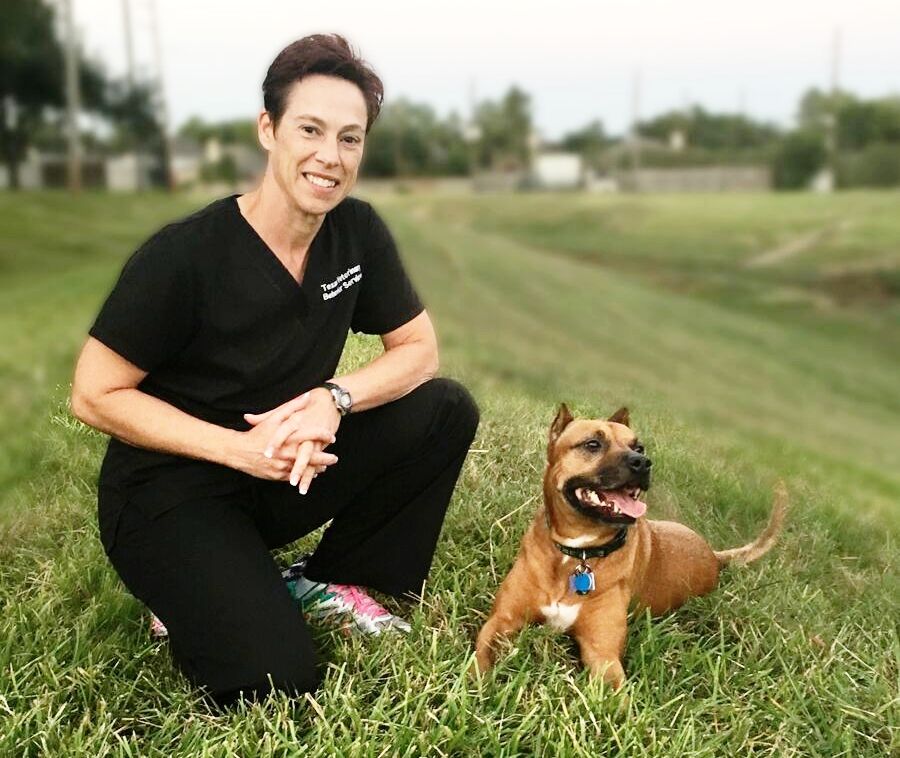
Lore Haug DVM

Veterinary Behavior Specialist
1993 Graduated summa cum laude from Texas A&M College of Veterinary Medicine.
From 1994-1999, she practiced general medicine with a special interest in behavior and exotic pet medicine. She also has fifteen years of part-time and two years of full-time emergency medicine experience.
In 1999, she returned to Texas A&M to complete her residency. After finishing this, Dr Haug remained on faculty at Texas A&M to run the Animal Behavior Service until 2007. In the summer of 2007, she returned to Houston to begin a behavior referral practice in Sugar Land Texas where she is today.

Blake Gibson DVM

Veterinary Behavior Resident
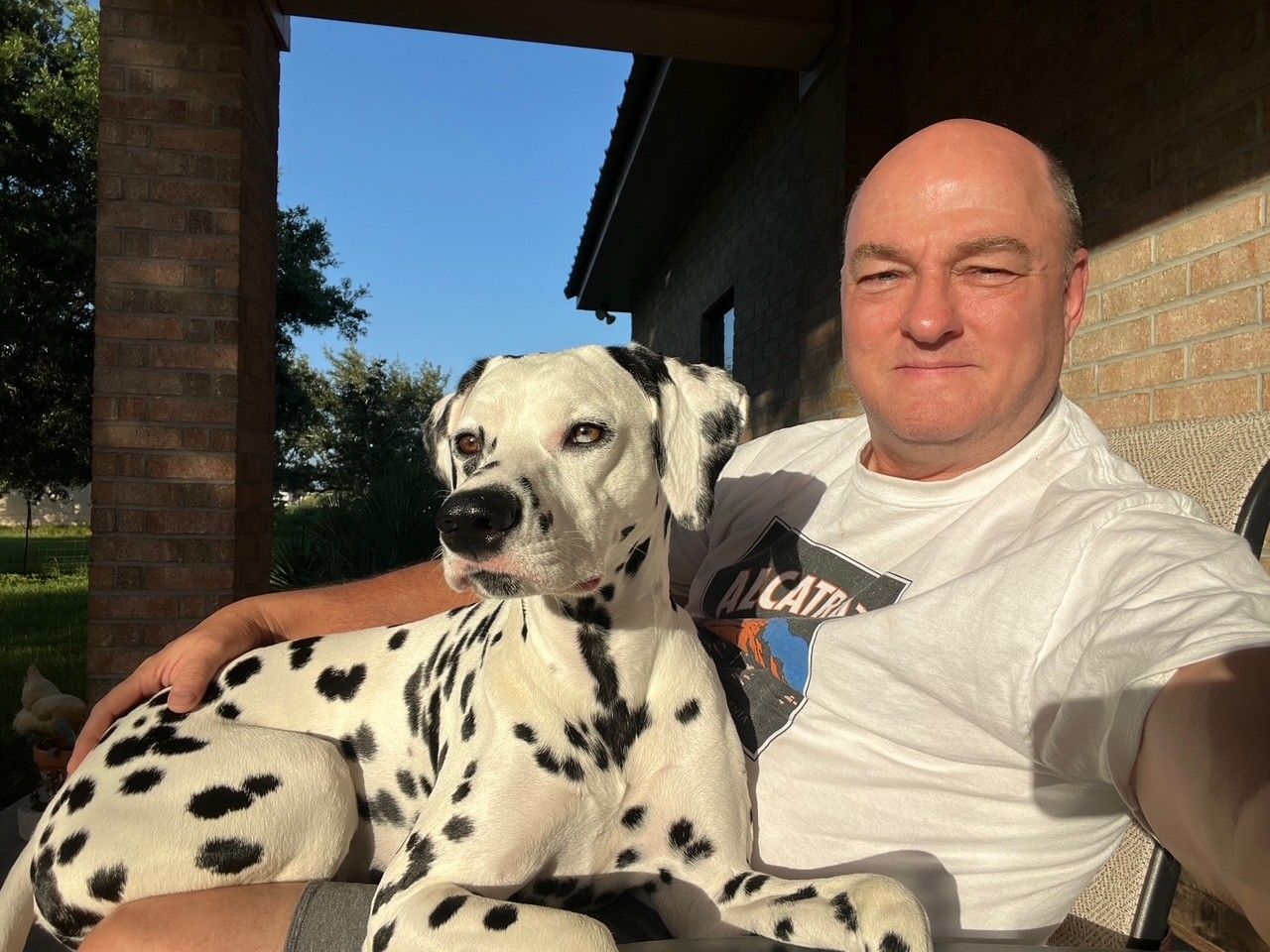
Dr. Blake Gibson graduated from the University of Missouri College of Veterinary Medicine in 2021, followed by a one-year rotating internship in small animal medicine and surgery at the Auburn University College of Veterinary Medicine. His interest in behavioral medicine was initially spurred by experiences as a volunteer for the rehabilitation and enrichment of shelter dogs in both St. Louis, Missouri and Cleveland, Ohio. 
Discover

All Our Courses in One Place

Created with